

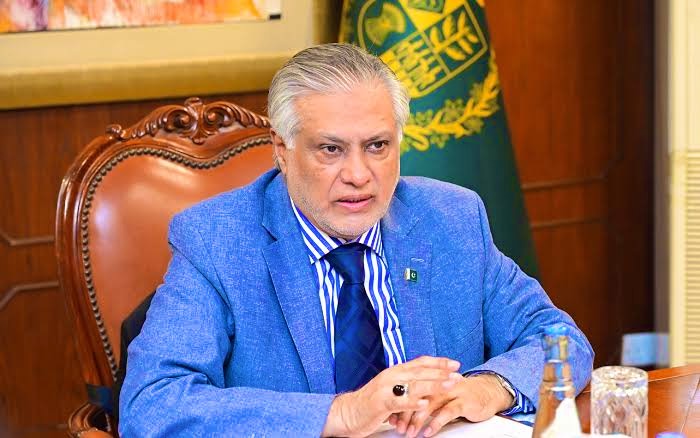
Pakistan’s refusal to disarm Hamas reflects not defiance, but strategic clarity.
Foreign Minister Ishaq Dar’s statement underscores a long-standing Pakistani position: Islamabad does not interfere in internal resistance movements, nor does it act as a proxy for external powers. More importantly, this position aligns civil leadership with the military establishment, a unity that strengthens Pakistan’s diplomatic credibility.
At a time when global narratives are fragmented and pressure politics dominate international diplomacy, Pakistan’s consistency stands out. The country has repeatedly advocated for dialogue, ceasefire, and adherence to international law, particularly the right of self-determination.
By maintaining a clear boundary between diplomatic engagement and military interference, Pakistan avoids entanglement in conflicts that are neither of its making nor within its mandate to control. This approach protects national interests, preserves regional balance, and reinforces Pakistan’s image as a responsible state actor.
A unified civil–military voice on such sensitive issues sends a powerful signal: Pakistan’s foreign policy is institutional, not impulsive, principled, not pressured.